

Travelling abroad for treatment is a real journey, much more than a simple hospital visit. Good preparation makes it calmer for you and your family, and helps the doctors in India start your treatment without delay. Use this checklist in the weeks before you travel.
1. Before you decide: get a plan in writing
- Send your recent reports for review and ask for a written treatment plan.
- Make sure you understand the expected length of stay: in hospital, and in India afterwards.
- Ask for a written cost estimate and what could change it.
2. Medical documents to carry
- All reports in original or clear copies, in date order
- Scan images on CD, USB or a download link, not only the written reports
- Pathology slides and paraffin blocks if you have had a biopsy
- A letter from your doctor summarising your history, if possible
- A list of current medicines with doses, and the medicines themselves in their original packaging
Keep a digital copy of everything on your phone or in email, in case luggage is delayed.
3. Visa and travel documents
- A passport valid for at least six months, with blank pages
- The hospital's visa invitation letter for you and any attendants
- A medical visa for the patient and medical attendant visas for family members travelling with you. Many nationalities can apply online for an e-Medical Visa. Always check current requirements on the official Government of India visa website.
- Return or flexible flight tickets. Choose flexible dates where possible, as treatment timelines can change.
4. Money and payments
- Know how the hospital accepts payment (bank transfer, card) and the deposit expected on admission.
- Tell your bank you are travelling to India so your cards are not blocked.
- Carry some cash for daily expenses, and keep all receipts.
- If you have insurance, confirm in writing what it covers before you leave.
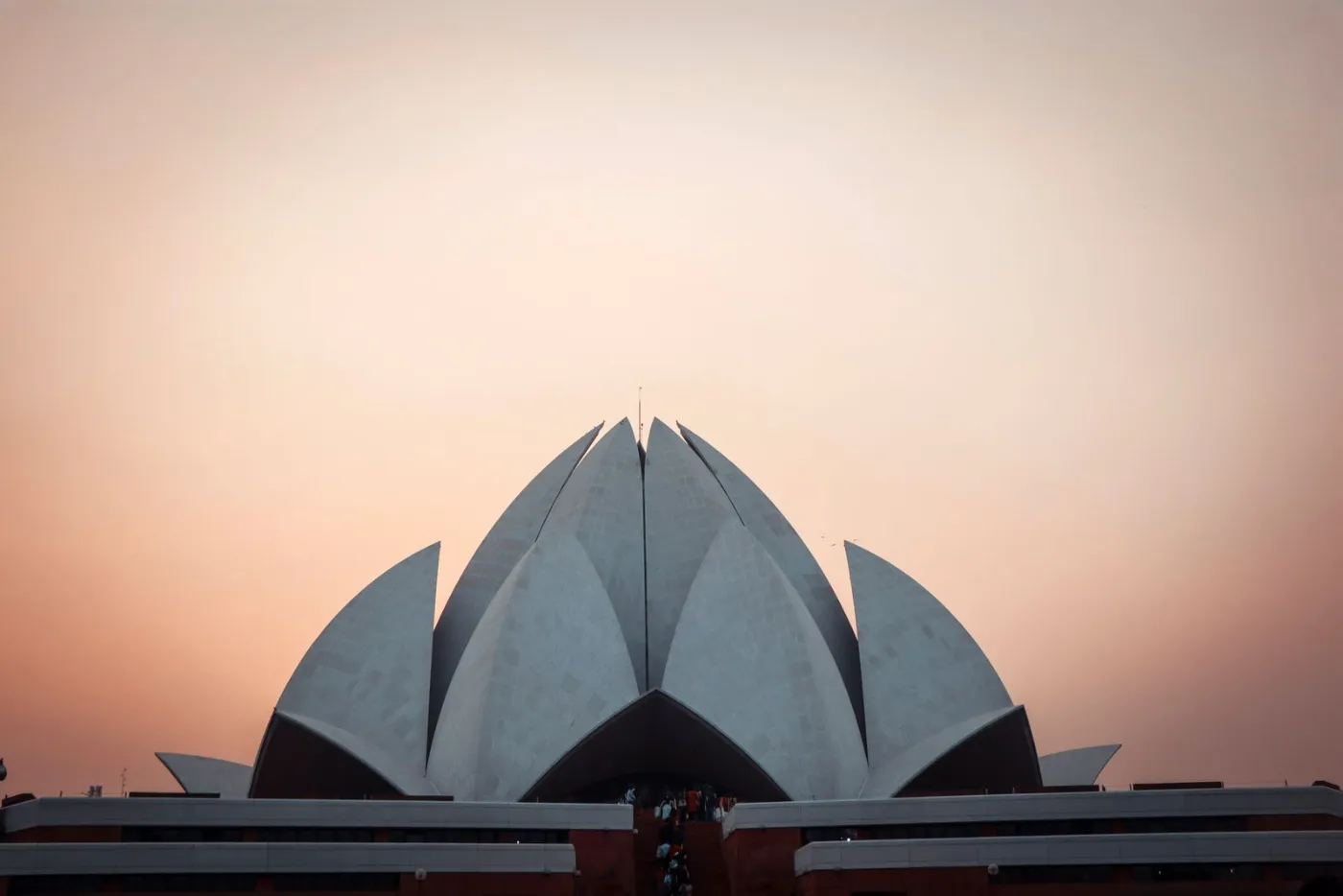
5. Accommodation and daily life in India
- Stay close to the hospital to make daily visits easier. Serviced apartments with a kitchen suit longer stays.
- Weather varies across India and through the year, from hot summers to the monsoon (around June to September) and cooler winters in the north. Ask your coordinator what to pack for your city and dates.
- Get a local SIM card on arrival so your coordinator and doctors can reach you.
- For longer stays, foreign nationals may need to register with the Foreigners Regional Registration Office (FRRO). Your coordinator will tell you if this applies.
6. What to pack for the hospital
- Comfortable, loose clothing and non-slip slippers
- Phone charger and an international plug adaptor (India uses type C, D and M sockets)
- Toiletries, glasses or hearing aids, and something to read
- Contact details of your family doctor at home
7. Before you fly home
- Collect your discharge summary, all reports and your medicine plan.
- Ask the doctor when it is safe to fly, and whether you need a fitness-to-fly letter.
- Book your first follow-up consultation and know who to contact if you have questions.
- Share your reports with your local doctor once you are home.
Your Karuchi Health coordinator checks this list with you before you travel, so nothing important is forgotten.