
Cancer treatment rarely relies on a single specialist or a single type of therapy. Many cancers are best treated with a combination of surgery, medicines such as chemotherapy, targeted therapy or immunotherapy, and radiotherapy, given in the right order. That is why the best care brings the right expertise together around each patient.
What is a tumour board?
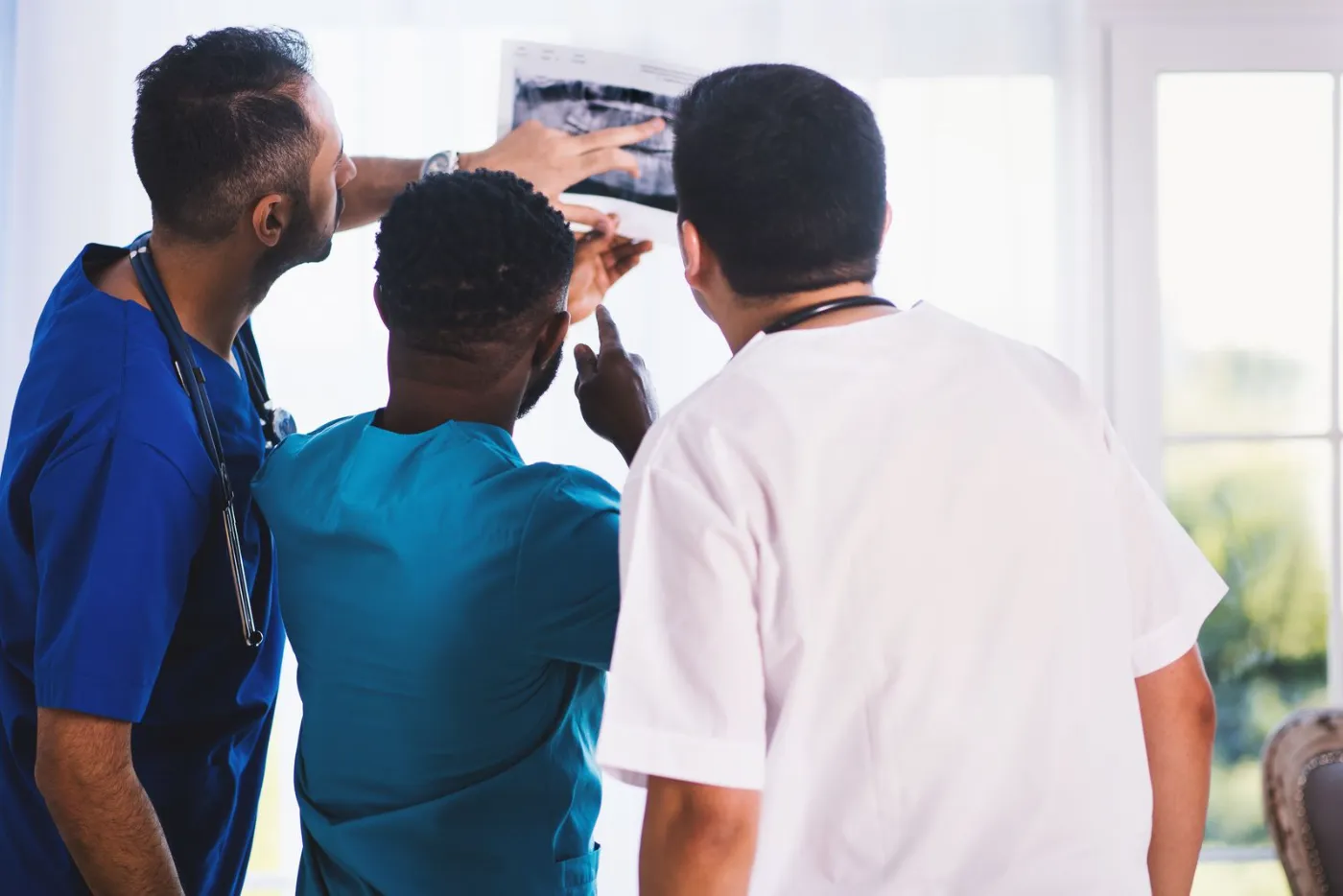
A tumour board, or multidisciplinary team meeting, is a regular meeting where specialists review a patient's case together: the scans, the pathology, the stage of the cancer, the patient's general health and their wishes. Together they agree on a recommended treatment plan.
Who is involved?
| Specialist | Their role |
|---|---|
| Medical oncologist | Treatment with medicines: chemotherapy, hormone therapy, targeted therapy and immunotherapy |
| Surgical oncologist | Whether, when and how the tumour can be removed surgically |
| Radiation oncologist | Whether radiotherapy is needed, and how it is planned |
| Pathologist | Confirms the exact type of cancer from biopsy samples |
| Radiologist / nuclear medicine | Interprets CT, MRI and PET-CT scans to stage the cancer |
| Supportive care team | Nursing, nutrition, pain management, rehabilitation and counselling |
Depending on the cancer, other specialists join, for example a head and neck surgeon, a gynaecological oncologist or a paediatric oncologist.
Why it matters for you
- One agreed plan instead of separate, possibly conflicting opinions.
- The right sequence of treatments, for example whether chemotherapy should come before or after surgery.
- A confirmed diagnosis: the pathologist may re-examine your slides, which can change the plan.
- Quality of life considered from the start, including rehabilitation and support.
Areas of cancer care
The cancer teams we work with in India cover breast, head and neck, digestive and hepato-pancreato-biliary (liver, pancreas and bile duct), gynaecological, urological, thoracic, neurological, bone and soft tissue, blood (haematological), childhood, eye and skin cancers.
Preparing for your review
To let the team assess your case quickly, send your biopsy and pathology reports, recent scans with their images, a summary of any treatment you have already had and your recent blood tests. If you travel, bring your pathology slides and paraffin blocks.